Mittelschmerz, Explained
Last weekend I planned a little getaway with my husband and thought I timed it perfectly.
Last weekend I planned a little getaway with my husband and thought I timed it perfectly. Around my ovulation. One night away, together. Time to reconnect. It sounded lovely. Yet I had no idea how the night would unfold.
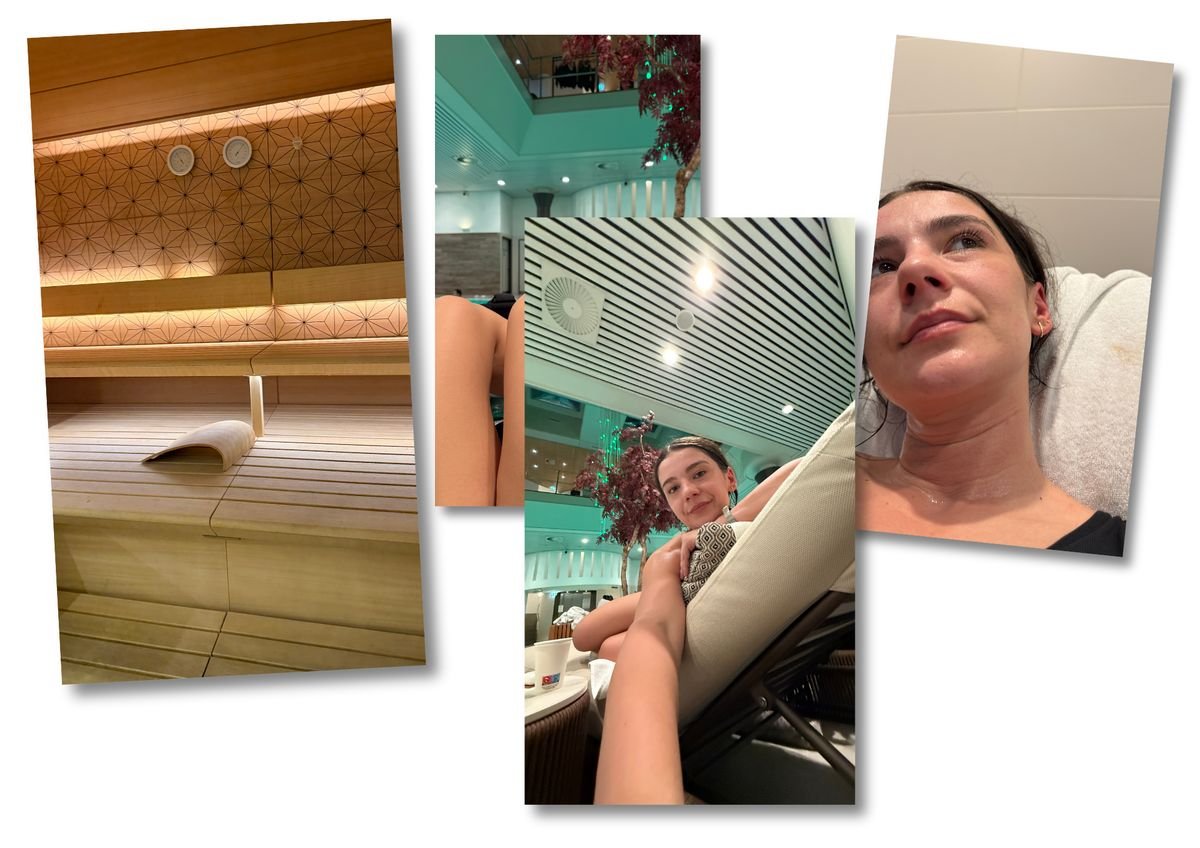
We checked in and had dinner. Then the cramps started. Sharp, one-sided, low in my pelvis. I tried to brush it off. Ten minutes later the pain came in waves. I lay on the hotel bed with a hot water bottle while he ordered tea and asked if we should go home. We chose the hotel spa instead, hoping a little rest would help and the pain would ease.
I went into the sauna, convinced the heat would relax my muscles and take the edge off. At first it felt soothing, the kind of warmth that melts tension. Then the room began to spin. My pulse climbed. The pain sharpened. I lowered myself to the bottom bench, breathing slow, counting each inhale, waiting for it to pass. It did not. I left lightheaded, hand over my lower belly, and curled up on a lounge chair by the pool.
So What Was All of This?
Ovulation pain is a mid-cycle ache on one side of your lower belly. In late follicular, the egg follicle grows and the ovary’s surface stretches. You feel a dull ache on the side getting ready to release the egg.
Right before release, LH rises and the follicle wall thins. The wall opens and a little fluid, sometimes a little blood, moves into the space around the ovary. That fluid irritates the lining in your pelvis and wakes up nearby nerves. The ache turns sharp or comes in waves. Blood vessels open and tissues swell, which adds pressure. After the egg releases, the follicle collapses into the corpus luteum. Irritation settles and the pain fades within 24 to 48 hours.
We call this Mittelschmerz, German for middle pain.
When It’s Normal (And When It’s Not)
This is normal: Mild to moderate pain that lasts a few hours to two days, happens mid-cycle, and doesn’t interfere with your ability to function.
Get checked if: Pain is severe, lasts more than 48 hours, comes with fever, vomiting, fainting, or shoulder pain. Also if you have pain with sex, the timing doesn’t match mid-cycle, or this pain is new and you’re trying to conceive.
Ovulation Pain Or A Cyst?
I have a history of PCOS, so pains that felt similar to ovulation pain were my normal for years. So when I’m describing these types of pain, I am also talking from my own experience, not just from my coaching practice.
Here’s what I learned: they’re not the same thing.
PCOS is linked to functional ovarian cysts, fluid-filled sacs that can grow larger than a normal follicle. When a cyst grows, leaks, or ruptures, it causes sharper, longer-lasting pain that you might mistake for severe ovulation pain. This is different from typical mittelschmerz.
Here’s how to tell them apart:
Mittelschmerz (normal ovulation pain):
- Clusters near your ovulation window (days 12-16)
- Stays one-sided
- Fades within 1-2 days
- Dull to moderate intensity
- Sometimes light bleeding
PCOS-related cyst pain:
- Can happen any time in your cycle
- May switch sides or feel bilateral
- Lasts longer than 48 hours
- Can be sharp, severe, or sudden
With PCOS, I’d get sudden stabbing pains that would last for days, sometimes radiating to my lower back or thigh. They didn’t follow a predictable pattern. Some months nothing, other months I’d be doubled over.
The timing, duration, and quality of pain are clear markers.
What Actually Helps
Skip the processed foods. Processed foods are loaded with inflammatory additives and preservatives that can amplify ovulation pain. Stick to whole, unprocessed foods to lower inflammation and support your body through your cycle.
Add papayas. Papayas contain papain, an enzyme with natural anti-inflammatory properties that can ease ovulation discomfort. The high vitamin C content also supports your immune system and tissue healing.
Use heat strategically. Heating pad or stick-on patch over the painful side for 15-20 minutes. Stop if you feel dizzy. Skip hot saunas when pain is active: heat helps, overheating doesn’t.
Move (but gently). Walking, hip circles, child’s pose, pelvic tilts. Movement reduces pelvic congestion and changes how your brain processes pain. Save sprints and heavy lifts for another day.
Hydrate and add minerals. Drink water consistently throughout the day. Add magnesium-rich foods at dinner: leafy greens, pumpkin seeds, dark chocolate. Magnesium glycinate at night helps muscles relax and improves sleep.
Take anti-inflammatories early. If there’s no way out and you cannot stand the pain, Ibuprofen or Naproxen works best when you take it at the first twinge, not after pain peaks. Always take with food and stay within recommended doses.
Calm your nervous system. Five minutes of slow breathing, six breaths per minute with a longer exhale. When your nervous system is calm, pain signals don’t amplify as much. Find a quiet room. This helps more than you think.
Keep your bowels moving. Fiber, hydration, and a short walk after meals prevent bloating and reduce pressure in your pelvis. Constipation makes everything feel worse.
The Real Goal
Your goal is care and readiness. Plan ahead with love for your body. Know your cycle so you feel prepared when it matters. Before you book something big, check your window. If ovulation pain sometimes hits sharp, pack a small pouch. Pain relief, a heat patch, water, magnesium. Use what supports you that day. You are ready.
Some days still bring discomfort. But because you prepared and you know how your body responds to hormone shifts, you meet those moments with calm. You have what you need. You trust yourself. And that is empowering.
I want to hear from you! Tell me about your pattern. Which side shows up more often? What helps you most on those days?
← Back to all articles